


At Our Lady Immaculate we value and celebrate linguistic diversity and believe that bilingualism and multilingualism are strengths. We are committed to ensuring that all pupils who use English as an Additional Language, (EAL), are fully include, make strong progress and achieve high standards across the curriculum.
Our school recognises that pupils new to English may also face:
- Cultural adjustment
- Emotional or social challenges
- Interrupted prior education
We ensure:
- Clear induction procedures for new arrivals
- Strong pastoral support
- Positive partnerships with our families and the use of interpreters where appropriate.
EAL pupils are clearly identified on admission and recorded accurately.
English as an Additional Language – EAL Support
The term “EAL” is used to describe a diverse group of learners who speak English as an Additional Language. In England, such learners are defined as those who have been ‘exposed to a language at home that is known or believed to be other than English’ (Department for Education, 2019).
Creating an inclusive environment is crucial for the success of our EAL pupils. We endeavour to ensure that EAL learners feel safe and included in all aspects of school life.
Learners may be at any stage of developing English language proficiency, from New to English, to completely Fluent. Their proficiency provides a clear indication of the need for support. They require targeted support and and effective teaching strategies to thrive academically and socially.
At Our Lady Immaculate, EAL (English as an Additional Language pupils), are supported primarily by quality first teaching within their classes. After a settling in period they receive additional support from Learning Support Assistants within school. This provision is dependent upon need and its main focus is upon developing their oracy and understanding. Once they have gained confidence; this time is used to develop their speaking and listening skills, writing, including grammar, punctuation and spelling and further development of their reading skills.
We are fortunate to have additional support from EMTAS. Mrs Jackson our very experienced specialist teacher, has a wealth of experience, spends one day a week in school supporting our KS2 pupils. Mrs Jackson has successfully worked with us for a number of years and is well known to our EAL pupils within school. She is a highly qualified EAL teacher with a wealth of experience supporting development and understanding of English skills through: oracy, reading, and in writing, specifically their grammar and punctuation skills. This additional support is crucial, enabling our pupils to thrive socially, academically and linguistically.
Research tells us that reading builds on oral language competence and so learning to read requires making links between the spoken language and the writing system (Abbot, 2013). This means that reading and writing tasks should focus on words and phrases that the learner already knows in spoken English.
Individual and small group support with regular assessments ensure our EAL pupils receive the high quality interventions which they need.
Pupils learn and develop their skills and understanding through the development of oracy, reading activities and the written word.
EAL is clearly understood as a language acquisition need, not SEND (unless evidenced otherwise). These pupils who appear to have barriers to their learning will be referred to our school SENCO.
We are also lucky to also receive support from MAST Speech and Language in our Early Years. This support also includes advice for children who are learning English as an additional language. The importance of using their home language is always stressed as being of great importance. Evidence demonstrates that bilingualism has both cognitive benefits and offers professional advantages in our globalised world.
Intent
To ensure our pupils using English as an Additional Language (EAL) access the full curriculum, develop English proficiency rapidly, and achieve well from their starting points, in line with Ofsted EIF 2025 expectations.
Our intent is to:
- Provide an inclusive learning environment where EAL pupils feel welcomed, confident and valued.
- Ensure EAL pupils can access the full curriculum alongside their peers.
- Develop pupils’ proficiency in spoken and written English while maintaining positive attitudes towards home languages.
- Close any attainment and progress gaps between EAL pupils and their peers.
- Promote equality of opportunity and comply with the Equality Act 2010.
Implementation
We achieve our intent through the following approaches:
Teaching and Learning
EAL pupils will:
- Access a broad, balanced and ambitious curriculum
- Be encouraged to use their first language where appropriate to support understanding.
- Develop spoken, reading and written English to enable full participation in learning
- Make progress in line with their starting points, age and experience
- Are supported within a whole‑school, inclusive approach.
Teachers’ Standards firmly place upon teachers the responsibility for adapting teaching to support all learners.
All teachers will:
- Hold high expectations for pupils at all stages of English development
- Accurately assess English language proficiency, oracy, reading and writing. This will regularly take place
- Vocabulary is explicitly taught, revisited and displayed.
- Plan lessons that develop both language and subject knowledge. Language development takes place alongside subject learning
- Adaptations are made where necessary to ensure EAL pupils can access age‑appropriate content
- Use collaborative learning and peer support to develop language skills
- Recognise and value pupils’ home languages and prior knowledge
- Provide frequent opportunities for structured purposeful talk
- Use scaffolding, modelling and repetition
- Explicitly teach academic and subject‑specific vocabulary
- Learn primarily in their classes
- Access the full National Curriculum with appropriate support
- Regularly assess accurately pupil progress
- Progress is tracked against starting points and prior learning
- Reflect cultural diversity within the curriculum, displays and resources.
Targeted Support
- Additional interventions are provided where appropriate, focusing on language acquisition rather than simplified content.
- Small group or one‑to‑one support may be offered based on assessed need.
- Support staff work closely with class teachers to reinforce learning.
English Proficiency Levels
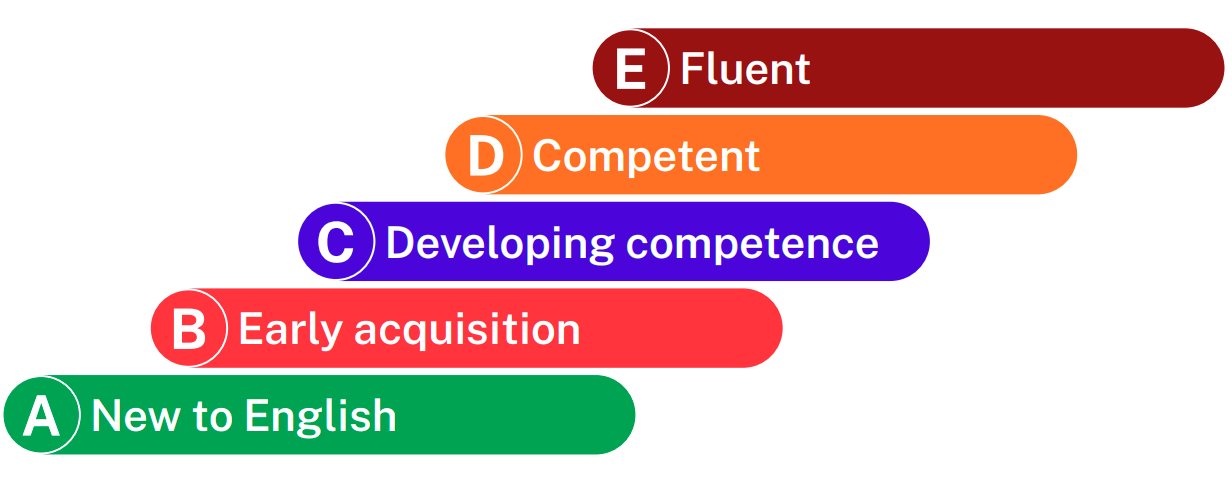
New to English:
- Engage in highly scaffolded listening activities, learning basic classroom language and linking sounds to actions and meanings
- Show emerging competence in basic oral expression
- Demonstrate little or no knowledge of written English; taking first steps to engage with written and digital texts in English
- Demonstrate competence in managing basic, simple and isolated phrases
Learners working at this level will require considerable support to access curriculum content.
Early Acquisition
- Show a developing autonomy in processing speech
- Show emerging competence in the ability to respond verbally in interactions with others
- Make sense of written text at word and phrase/sentence level, using visual information to help decipher meaning
- Demonstrate competence in producing simple sentences and paragraphs on familiar topics conforming to taught expectations
Learners working at this level will still needs a significant amount of EAL support to access the curriculum.
Developing Competence
- Show developing independence in the use of basic listening skills needed to engage with learning
- Demonstrate emerging competence in spontaneous expression and communication
- Draw on growing knowledge of vocabulary and grammar to engage with curriculum-related texts and tasks
- Demonstrate competence in describing and narrating personal experiences with greater accuracy and beginning to experiment with more sophisticated writing in a variety of genres in different curriculum contexts
Learners working at this level, will require on-going EAL support to access the curriculum fully.
Competent:
- Apply listening skills over an increasing range of contexts and functions
- Demonstrate competence in producing more varied and complex speech in a wider range of contexts
- Engage with curriculum related reading activities independently and productively in different subject areas
- Demonstrate competence in controlling the content and structure of writing with greater accuracy and with a fuller range of vocabulary and grammar.
Fluent:
- Demonstrate confidence in writing accurately and independently in a variety of genres
- Engage with curriculum-related reading activities independently and productively in different subject areas
- Show competence in fluent, creative use of spoken English
- Show an ability to understand and respond to spoken communication in classroom and school contexts with little or no hindrance.
- At the Competent and Fluent stages, the focus for teaching and support should be about promoting more sophisticated uses of language, exploring how to control of genre and register, and varying style and format to adapt to different requirements and contexts.
- Learners working at both the Competent and Fluent stages may still need some/occasional support to access complex curriculum material and tasks.
Some Challenges Faced by EAL Pupils
- Language proficiency: they must develop their English skills while simultaneously leaning subject content. This can be very overwhelming!
- Cultural adjustment: adapting to a new educational system and culture can be difficult. This can potentially lead to isolation.
- Assessment difficulties: standardised tests may not accurately reflect their abilities due to language barriers. It is essential to use appropriate assessment methods.
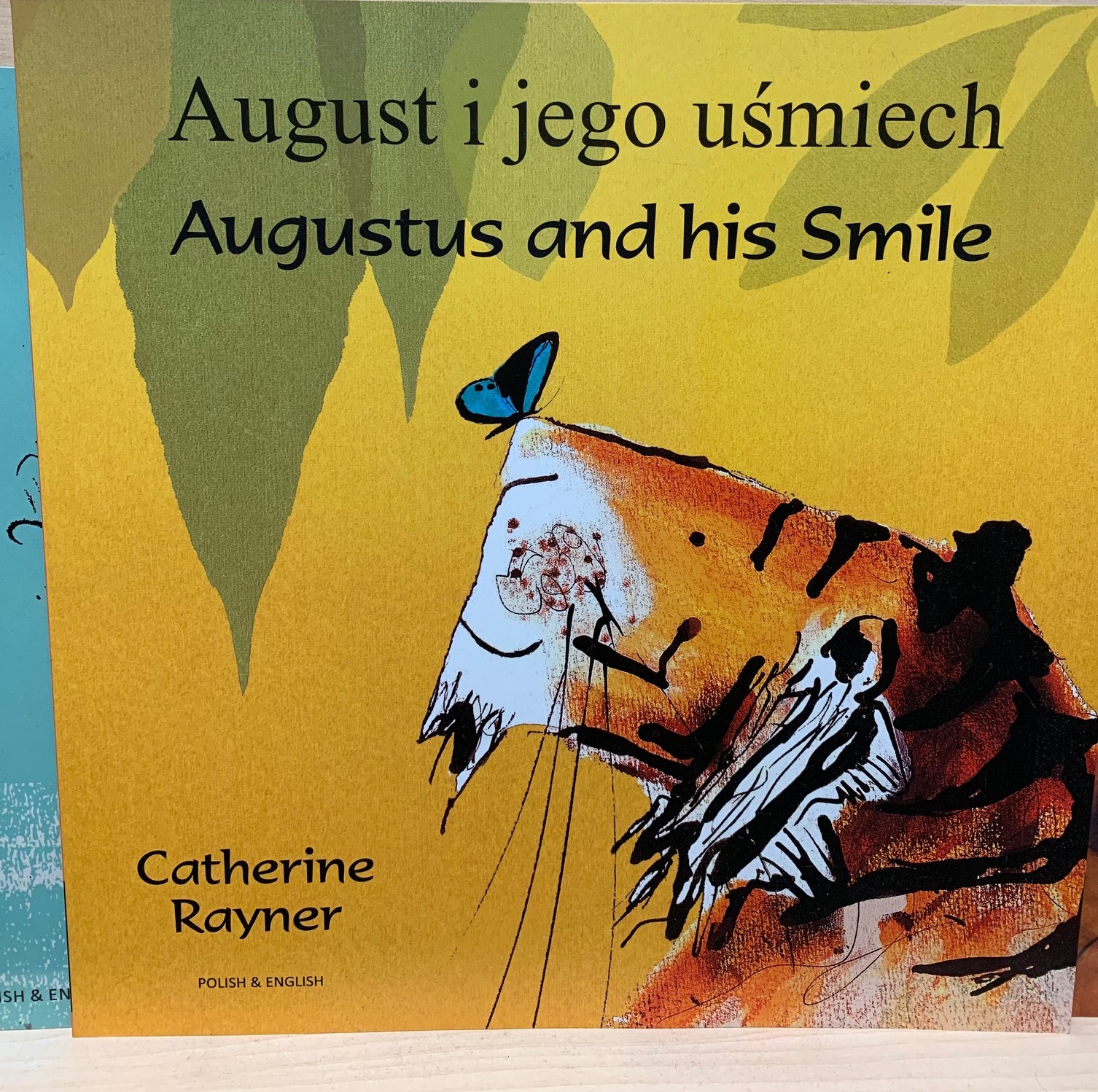
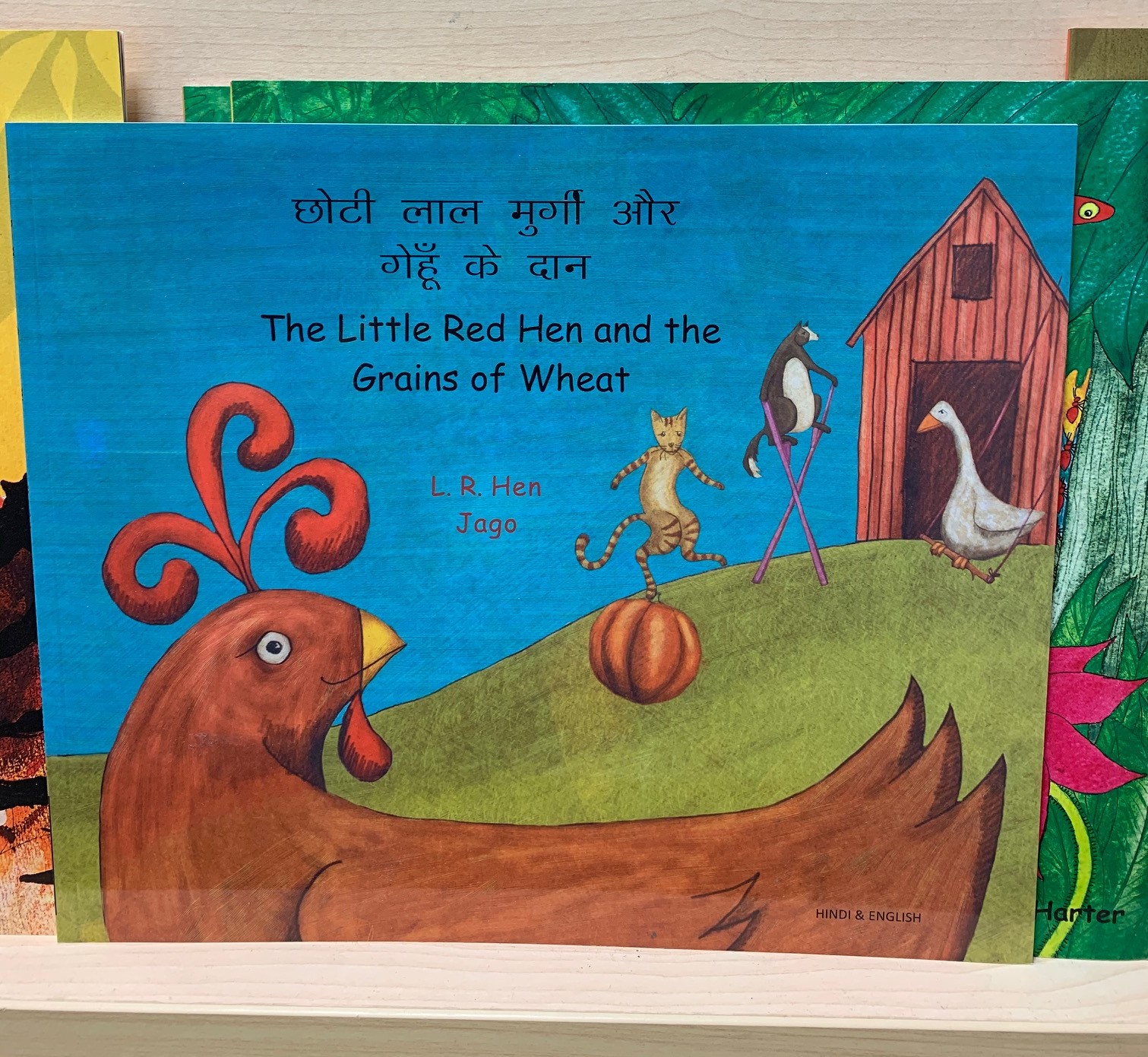
Home Language Books and Picture Books
We have a selection of home language books and picture books which can be taken home and read with your child. This will help in learning English as an additional language.


English as an Additional Language Policy